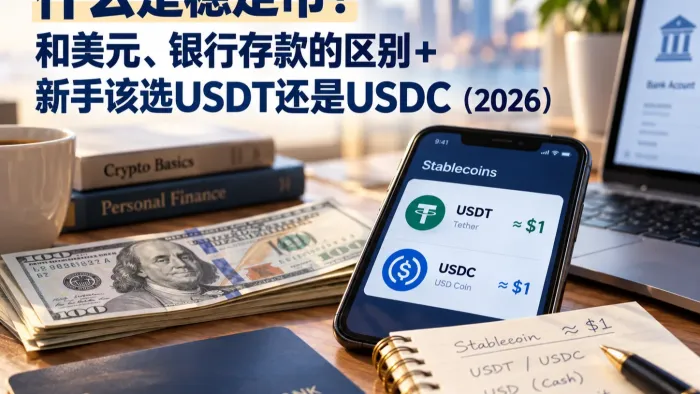
What is a stablecoin?
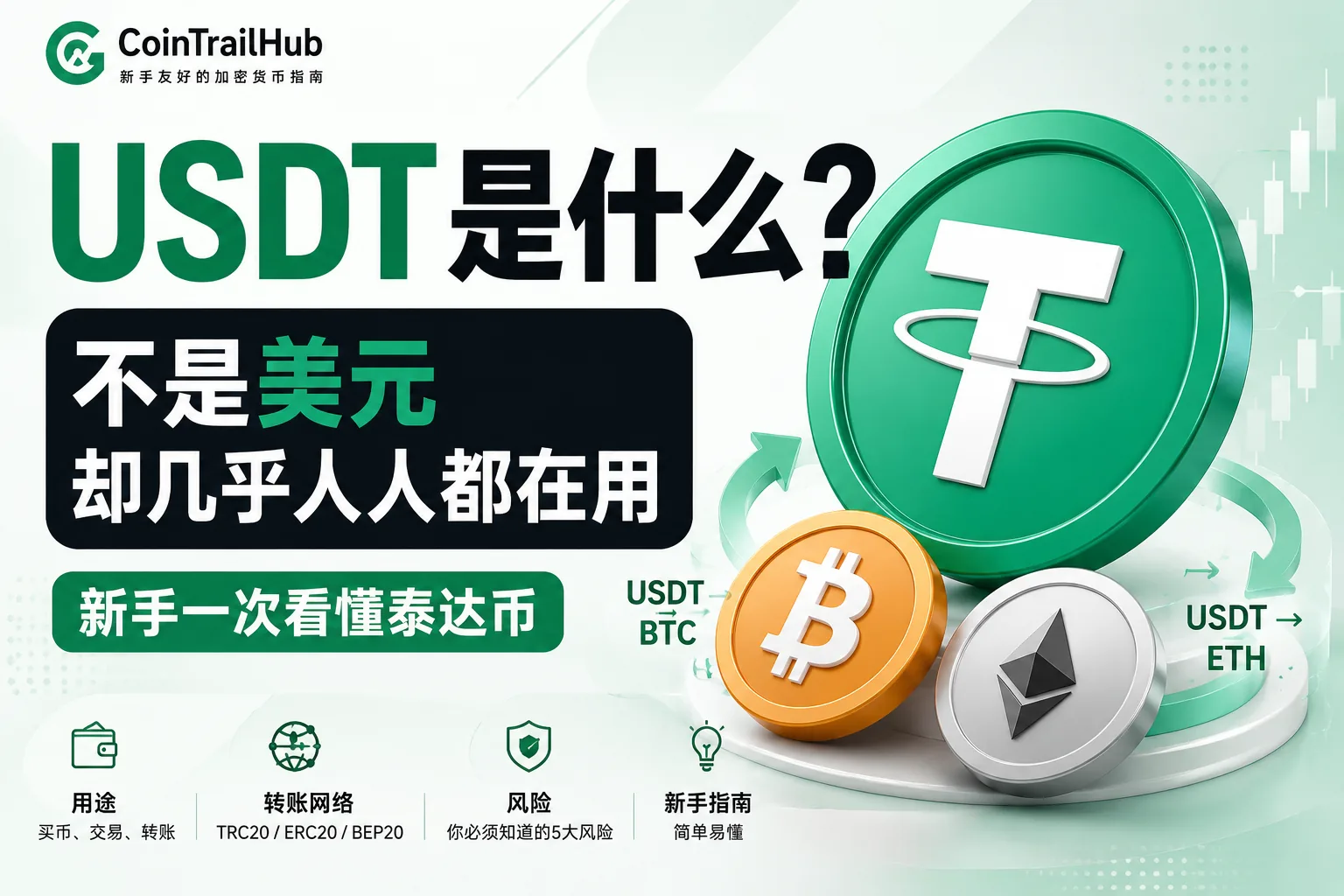
A stablecoin is a crypto asset whose price targets stability. The most common are US-dollar-pegged USDT and USDC, used mainly for trading, transfers, pricing and on-chain payments. A stablecoin does not mean the price never moves, nor is it the same as a bank deposit.
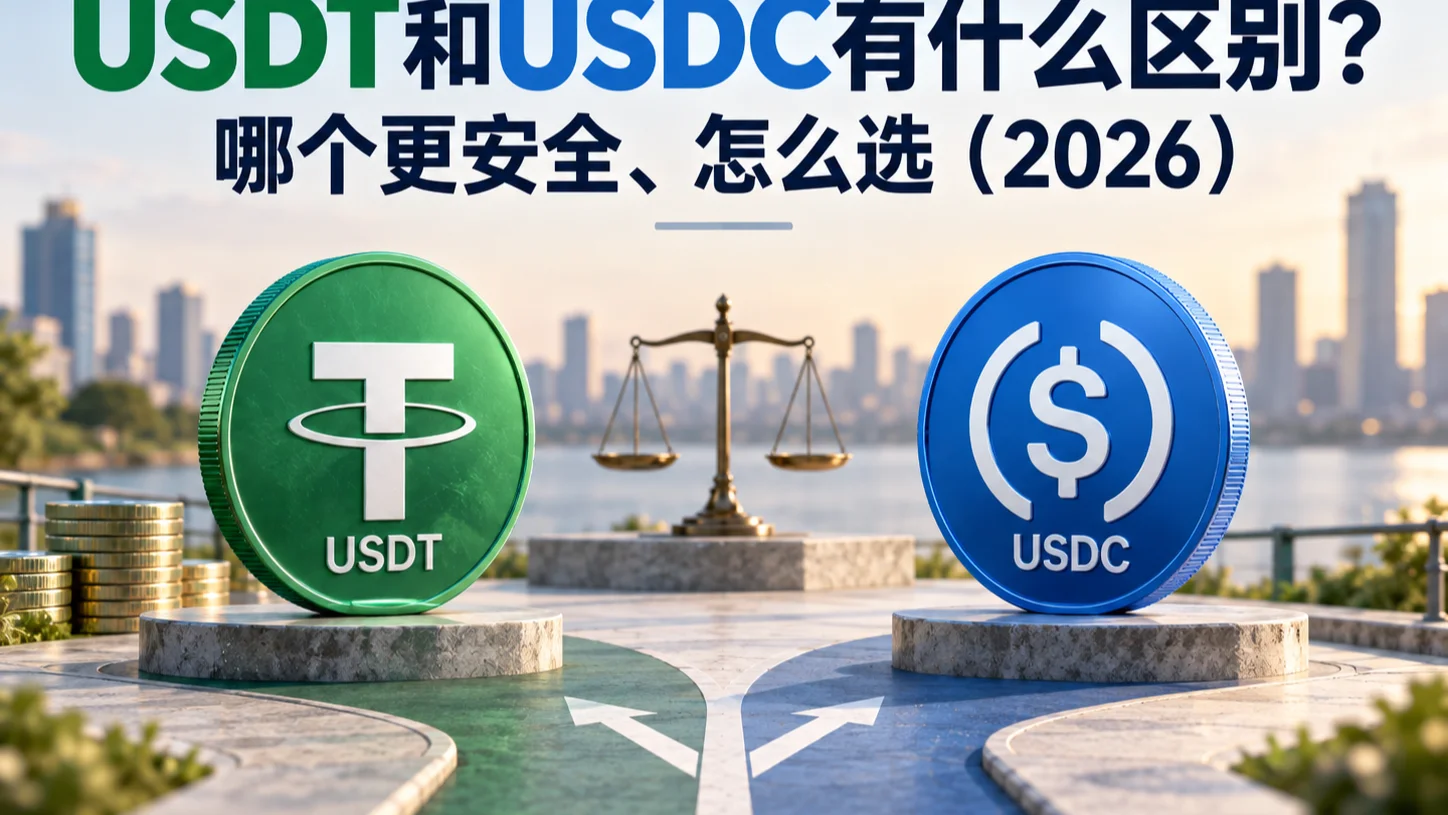
What is the difference between USDT and USDC?
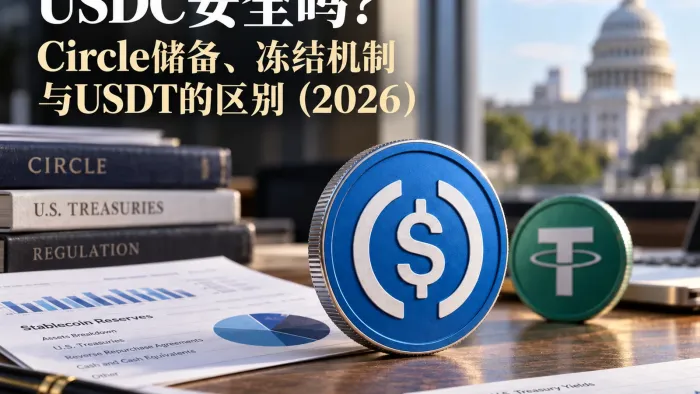
USDT usually has broader market size, trading liquidity and P2P coverage; USDC discloses reserves more frequently and is easier to verify continuously. Both have centralized issuers and both can freeze addresses.
Should a beginner start with USDT or USDC?
Beginners mainly doing P2P, exchange trading and cross-platform transfers will usually encounter USDT first; those focused on reserve disclosure, USDC-supported DeFi or specific on-chain apps can look further into USDC.
How do I buy stablecoins?
Usually through P2P, fiat rails or the spot market on platforms such as Binance and OKX. For your first time, enter from the official channel, complete the required identity verification, then test with a small amount before any large transfer.
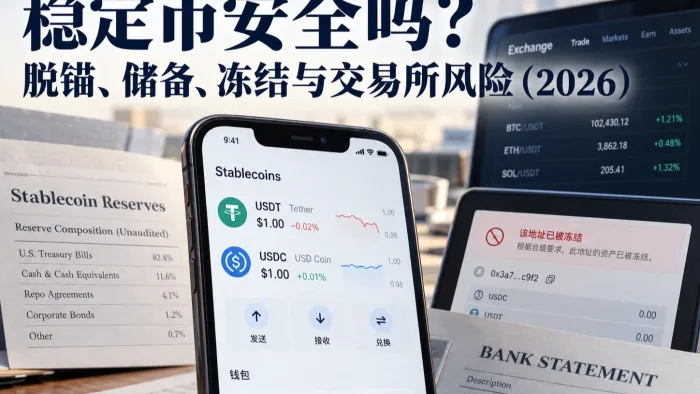
Are stablecoins safe?
Stablecoins are usually less volatile than crypto assets like BTC and ETH, but they still carry issuer, reserve, depeg, address-freezing, exchange, wallet and smart-contract risks. Stable does not mean risk-free.
Can USDT depeg?
Yes. USDT has temporarily deviated from $1 several times. As long as reserves, redemption and market arbitrage keep working, the price usually tends back toward $1 — but past recoveries do not guarantee every future recovery.
Should I keep stablecoins on an exchange or in a wallet?
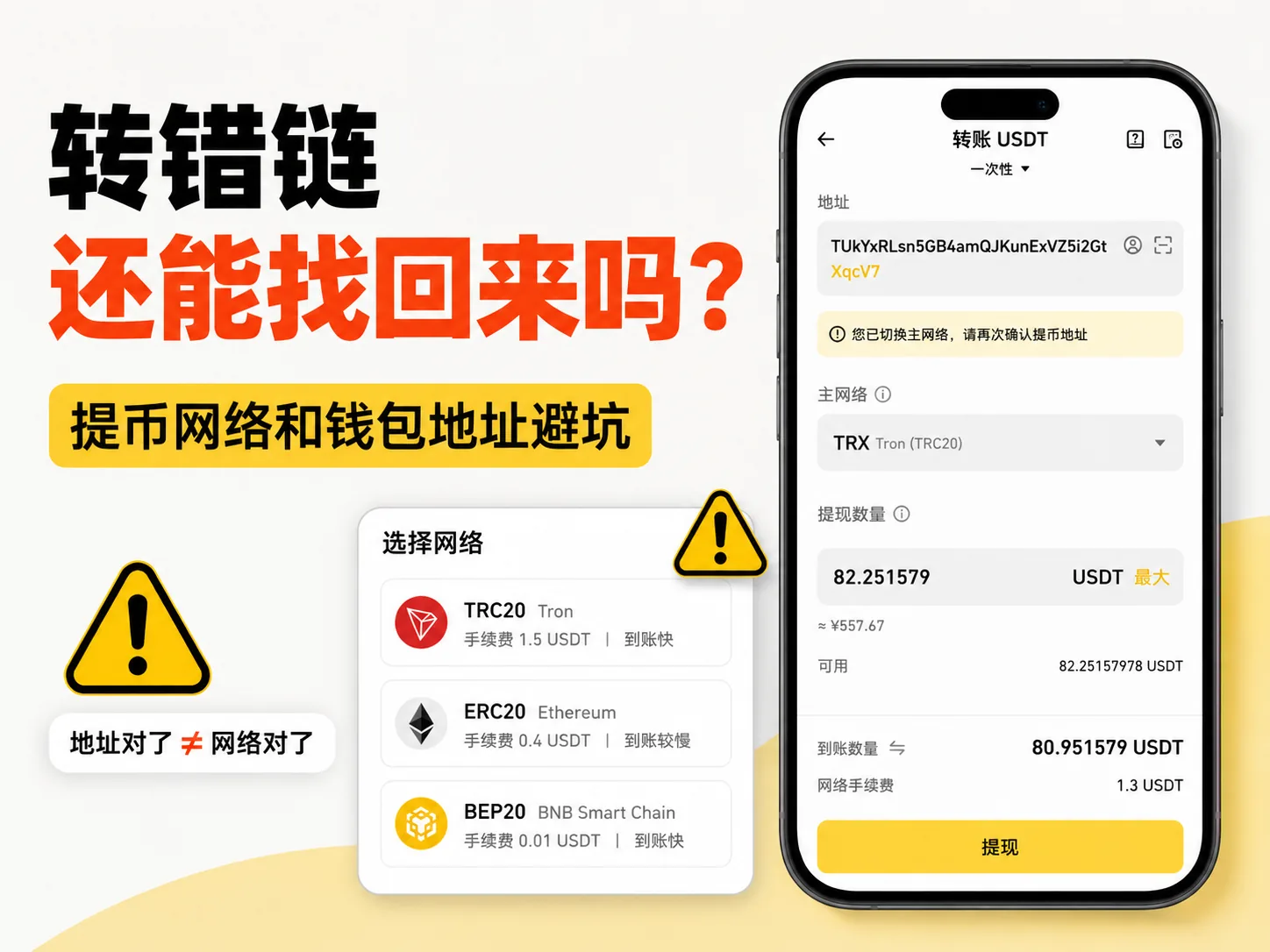
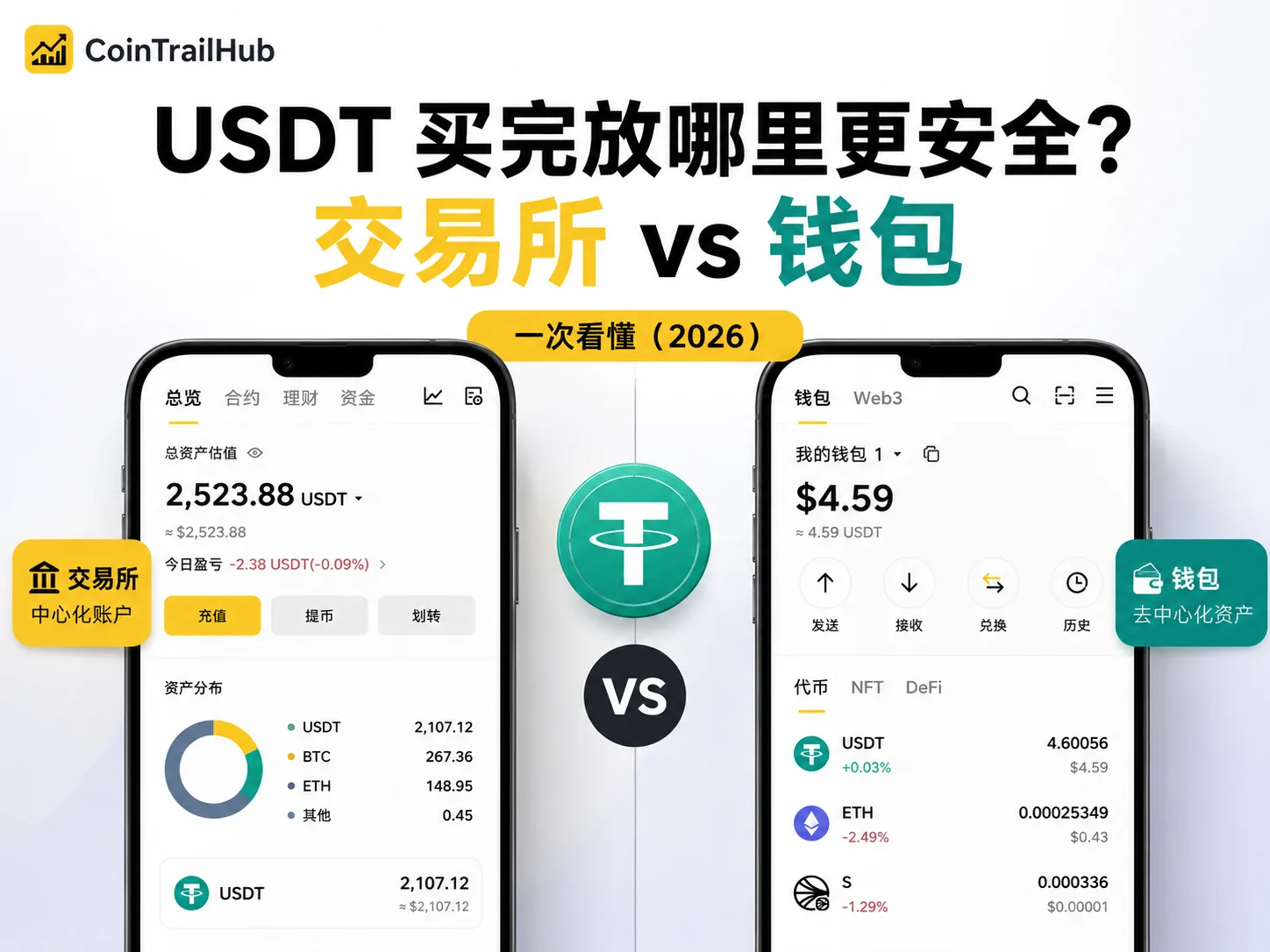
For small, frequent trades, an exchange is usually more convenient; a self-custody wallet reduces the custody risk of any single exchange but leaves you responsible for seed phrase, private key, approvals, wrong addresses and network choice. No storage method eliminates all risk.
Can USDT and USDC be frozen?
Yes, that is possible. USDT and USDC both have centralized issuers with the ability to restrict specific addresses. Moving stablecoins to your own wallet gives you control of the keys, but it does not remove the issuer’s contract-level powers.